
Top Products For Gas Stove Installations To Ensure Safety And Efficiency
Explore essential tools and accessories that simplify installation processes while maintaining safety standards for gas stoves.
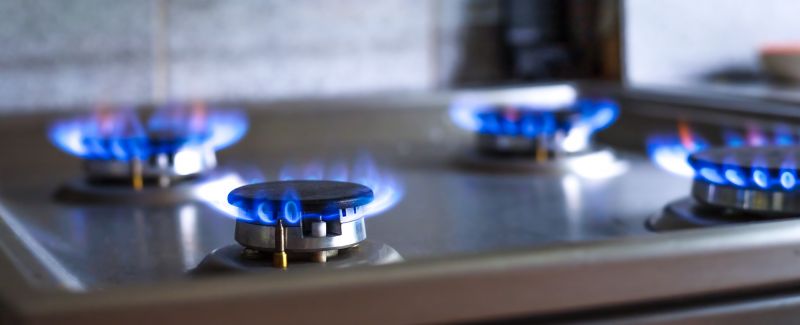 Installing a gas stove involves careful consideration of various products designed to ensure safety, functionality, and ease of use. From the initial connection to the gas supply to the finishing touches that secure the appliance in place, each component plays a vital role in a successful installation. Proper fittings and connectors are essential to prevent leaks and ensure compliance with safety standards. Additionally, selecting appropriate mounting hardware and ventilation accessories can enhance the overall performance and safety of the setup.
Top Overall Option
Universal Gas Stove Connection Kit
A versatile and comprehensive connection kit that includes flexible hoses, regulators, shut-off valves, and mounting hardware. Designed to accommodate various stove sizes and configurations, this kit offers ease of installation and reliable performance. Its durable construction and compatibility with different gas types make it a popular choice for both professional and DIY installations.
Types of Products For Gas Stove Installations
Flexible Gas Hoses
Flexible hoses allow for easy connection between the gas supply line and the stove, accommodating movement and adjustments during installation.
Rigid Gas Pipes
Rigid pipes provide a secure and permanent connection, often used in permanent installations for durability and safety.
Gas Regulators
Regulators control the gas pressure supplied to the stove, ensuring safe and consistent operation.
Shut-off Valves
Shut-off valves enable quick and easy control of gas flow, essential for safety and maintenance.
Mounting Brackets
Brackets secure the stove in place, providing stability and proper positioning during installation.
Ventilation Hoods
Range hoods help ventilate cooking fumes and odors, improving kitchen air quality.
Exhaust Fans
Exhaust fans assist in removing smoke and steam from the cooking area, enhancing safety and comfort.
Gas Leak Detectors
Detectors provide alerts for potential gas leaks, adding an extra layer of safety to the installation.
Gas Fittings and Connectors
Various fittings and connectors ensure secure and leak-proof connections between components.
Flexible Connector Adapters
Adapters facilitate connections between different sizes or types of gas fittings, ensuring compatibility.
Pressure Gauges
Gauges monitor gas pressure to help maintain safe and optimal operation.
Sealing Tape and Sealants
Sealing materials prevent leaks at threaded connections and fittings, ensuring safety and compliance.
Installation Kits
Complete kits containing multiple components needed for a full gas stove setup, simplifying the process.
Popular Choices
Flexible hoses are commonly used for their ease of installation and adaptability to different kitchen layouts.
Regulators are essential for maintaining consistent gas pressure and ensuring safe operation.
Shut-off valves are frequently chosen for their quick control over gas flow during installation or emergencies.
Range hoods are popular for their role in ventilating cooking fumes and maintaining air quality.
Exhaust fans are often selected to improve kitchen ventilation and safety.
Gas leak detectors are increasingly used for added safety in gas stove installations.
A variety of fittings and connectors are popular for ensuring secure and leak-proof connections.
Pressure gauges help monitor gas pressure, contributing to safe operation.
Sealing tapes are commonly used to prevent leaks at threaded connections.
All-in-one installation kits are favored for their convenience and comprehensive components.
Many installations require specialized connectors such as flexible hoses or rigid pipes, depending on the configuration of the kitchen and the type of gas supply line. It's important to choose products that are compatible with your specific stove model and gas type, whether natural gas or propane. Regulators and shut-off valves are also critical for controlling gas flow and providing a quick shutoff in case of emergency. These components should be durable and rated for the pressure and volume of gas used.
Beyond the functional components, aesthetic and ergonomic considerations come into play. Properly designed knobs, control panels, and mounting brackets can make the stove easier to operate and maintain. Ventilation accessories, including range hoods and exhaust fans, are often necessary to remove cooking fumes and maintain air quality. When selecting products, prioritize those that meet local safety codes and standards to ensure a compliant and safe installation.
Overall, the process of outfitting a gas stove installation requires attention to detail and a good understanding of the available products. Whether you're a professional installer or a DIY enthusiast, choosing the right components can make the process smoother and safer. Investing in quality parts and accessories helps ensure the longevity and reliable operation of your gas stove, making your kitchen a safe and functional space.
Key Buying Considerations
- Compatibility with your specific gas type, whether natural gas or propane.
- The size and length of hoses or pipes needed for your kitchen layout.
- Material durability and resistance to corrosion or wear over time.
- Compliance with local safety standards and building codes.
- Ease of installation, especially for DIY projects.
- The presence of safety features such as shut-off valves and leak detectors.
- The capacity and pressure ratings of regulators and fittings.
- Compatibility with existing or planned ventilation accessories.
- The quality of fittings and connectors to prevent leaks.
- Availability of replacement parts and accessories.
- Ease of access for maintenance and inspections.
- User reviews and safety ratings for the products.
- Warranty and manufacturer support.
- Environmental conditions such as humidity or temperature that may affect materials.
- Cost-effectiveness and value for the features offered.